Zodiac Sign & Personality
Discover the 12 animals, personality traits, strengths, and life advice for each sign.
Read More →


The Chinese zodiac, or Sheng Xiao, is a 12-year cycle with each year assigned an animal: Rat, Ox, Tiger, Rabbit, Dragon, Snake, Horse, Goat, Monkey, Rooster, Dog, and Pig. Discover your sign, check compatibility with partners, get yearly predictions, and explore lucky numbers and colors.
Enter your birth date to uncover your animal sign and explore your personality, compatibility & fortune.
Select your birth date above and click Find My Zodiac Sign
Your destiny awaits…
Four ways to dig into your Chinese zodiac profile, all free and instant.
 Calculator
Enter your birth date to instantly reveal your animal sign and ruling element.
Try it now → Compatibility
See how your sign pairs with a partner's — trines, secret friends, and clashes explained.
Check compatibility → Forecast
Career, love, and health forecasts for all 12 signs, refreshed each Lunar New Year.
Read predictions → Baby Zodiac
Favorable numbers and colors by sign, plus a predictor for a child's birth year.
Explore →Making a 4,000-year-old system of self-understanding accessible, accurate, and genuinely useful for modern life.
Most "zodiac calculators" online are copy-pasted templates with the same twelve paragraphs recycled from site to site. We started ChineseZodiacCalculator.site because we wanted something different — a tool built by someone who actually studies BaZi (Four Pillars of Destiny) and Chinese metaphysics for a living, not by a content farm trying to rank a keyword.
Our goal is simple: give you an instant, accurate answer to "what is my Chinese zodiac sign," and then go further — explaining the lunar calendar logic behind the answer, the element that shapes your personality within your sign, and how your sign interacts with the people around you. The Chinese zodiac is often flattened into a single-paragraph horoscope. We think it deserves better context, a point History.com's overview of the tradition also makes when it notes how much the system has always been about more than a one-line personality summary.
We also believe accuracy matters more than convenience. Many calculators simply map your birth year to an animal using the Gregorian calendar, which causes errors for anyone born in January or February — before the Lunar New Year. Our calculator accounts for the actual lunar new year date in your birth year so your result is correct even in these edge cases.
No sign-up, no paywall. Every tool on this site — the zodiac finder, compatibility checker, and baby predictor — is free to use as often as you like.
We calculate against real Lunar New Year transition dates, not a simple Gregorian year lookup, so early-year birthdays are handled correctly.
Content is reviewed by a working Chinese metaphysics consultant, not generated from generic horoscope templates. See our About page for credentials.
We're upfront that this is cultural and entertainment content, not a substitute for professional advice — see our disclaimer at the bottom of every page.
Four simple steps to your full zodiac profile — sign, compatibility, yearly forecast, and lucky details.
Select your birth month, day, and year in the zodiac finder above. That's the only information required to identify your sign — for worked examples, see our step-by-step guide to finding your sign.
Click "Find My Zodiac Sign" and the calculator cross-references your date against the lunar new year boundaries — the same shifting late-January-to-mid-February window National Geographic explains is what makes the Chinese calendar lunisolar rather than fixed — to reveal your animal sign and ruling element.
Expand "Add partner or baby details" to unlock love compatibility scoring and a baby zodiac prediction — both calculated instantly, no extra steps.
Switch between Your Sign, Compatibility, 2025 Predictions, and Lucky Numbers & Colors tabs to see every angle of your result in one place.
A closer look at the personality, strengths, and challenges traditionally associated with each of the twelve signs — the animal order itself traces back to the legend of the Great Race.
The Rat opens the 12-year cycle and is traditionally associated with quick thinking, resourcefulness, and adaptability. People born under this sign are often described as sharp observers who notice opportunities others miss, and who recover from setbacks faster than most.
The traditional challenge for a Rat is restlessness — a tendency to overthink decisions or second-guess a plan that was already sound. Read the full Rat personality guide for career and relationship notes.
In careers, Rats often thrive in fast-moving fields like sales, journalism, or entrepreneurship where quick thinking pays off. In love, they're affectionate but need a partner who can keep up with their pace. Best-matched trine: Dragon and Monkey.
The Ox is the traditional symbol of diligence and dependability in Chinese culture. Those born in an Ox year are typically patient, methodical, and trusted by their communities — the person others turn to when a job needs to be done properly rather than quickly.
The flip side of that steadiness can be stubbornness once a decision is made. See our full personality breakdown for how this plays out at work.
Oxen tend to excel in careers demanding consistency — engineering, agriculture, finance, or skilled trades. In relationships, they show love through steady action rather than grand gestures. Best-matched trine: Snake and Rooster.
Tigers are associated with courage, confidence, and a natural pull toward leadership. In folklore the Tiger is considered a protector against misfortune, and people born under this sign are often described as magnetic, decisive, and unafraid of risk.
That same boldness can tip into impulsiveness under pressure. Our Tiger guide covers how to channel that energy productively.
Tigers often gravitate toward leadership roles, entrepreneurship, or competitive fields like law and athletics. In love, they want a partner who respects their independence. Best-matched trine: Horse and Dog.
The Rabbit is traditionally linked to gentleness, tact, and a calm approach to conflict. People born in a Rabbit year are often skilled diplomats who prefer quiet compromise to confrontation, and who build long, loyal friendships.
The tendency to avoid conflict can occasionally mean the Rabbit under-advocates for itself. More in the Rabbit personality profile.
Rabbits frequently succeed in diplomacy, design, counseling, or the arts, where tact and aesthetics matter. In relationships, they're devoted but need reassurance during conflict. Best-matched trine: Goat and Pig.
The Dragon is the only mythical creature in the cycle and is considered the most auspicious sign, historically associated with imperial power. Dragons are described as charismatic, ambitious, and natural-born leaders who set big goals and rarely settle for the safe option.
That confidence can read as impatience with slower-moving plans or people. Read the extended Dragon guide.
Dragons are drawn to high-visibility careers — executive leadership, public office, entertainment — where ambition is rewarded. In love, they need a partner who won't be intimidated by their drive. Best-matched trine: Rat and Monkey.
Snakes are associated with wisdom, intuition, and a calm, calculated approach to problems. In Chinese folklore the Snake is considered intelligent and elegant, often the quiet strategist in a room who thinks several moves ahead of everyone else.
The Snake's guarded nature can read as secretive to those who don't know them well. Full notes in the Snake personality article.
Snakes often do well in research, strategy, psychology, or finance, where careful analysis wins. In relationships, they're deeply loyal once trust is earned, though it takes time to earn it. Best-matched trine: Ox and Rooster.
The Horse represents freedom, energy, and an independent streak. People born under this sign are often described as adventurous and hardworking, thriving in environments that reward initiative over routine, and drawn to travel and new experiences.
That independence can make long-term commitments feel restrictive at times. See the Horse guide for more.
Horses tend to thrive in travel-heavy or entrepreneurial careers — sales, tourism, sports — where variety is built in. In love, they need room to roam even within commitment. Best-matched trine: Tiger and Dog.
Also translated as Sheep or Ram, the Goat is associated with creativity, empathy, and a gentle disposition. Goats are traditionally seen as artistic and nurturing, with a strong aesthetic sense and a preference for harmony over competition.
This can come with a tendency to worry or avoid firm decisions. More detail in our Goat personality guide.
Goats often flourish in creative fields — art, design, music, hospitality — where empathy and taste matter. In relationships, they're nurturing and need a calm, low-conflict home life. Best-matched trine: Rabbit and Pig.
The Monkey is known for wit, curiosity, and cleverness — a natural problem-solver who enjoys mental challenges and rarely gets bored. Monkeys are often the innovators in a group, quick to spot a shortcut or an unconventional solution.
That cleverness can shade into mischief or restlessness if underused. Read more in the Monkey guide.
Monkeys frequently succeed in tech, comedy, marketing, or any field that rewards clever problem-solving. In love, they need a partner who enjoys banter and mental stimulation. Best-matched trine: Rat and Dragon.
Roosters are associated with honesty, precision, and a strong work ethic. People born under this sign are often detail-oriented planners who take pride in doing things properly, and who speak their mind directly rather than dance around a topic.
That directness can occasionally come across as blunt criticism. Full profile in the Rooster personality guide.
Roosters often excel in careers needing precision — accounting, medicine, quality control, public speaking. In relationships, they're devoted and expect the same directness they offer. Best-matched trine: Ox and Snake.
The Dog symbolizes loyalty, honesty, and a strong sense of justice. Those born in a Dog year are often described as fiercely protective of the people they care about, and reliable in a crisis when others might waver.
This can pair with a tendency toward worry or a guarded first impression of new people. See the Dog guide for the full picture.
Dogs tend to do well in careers centered on service — law, healthcare, social work, security. In love, they're fiercely loyal once committed, though slow to fully open up. Best-matched trine: Tiger and Horse.
The Pig closes the cycle and is traditionally linked to generosity, honesty, and enjoyment of life's comforts. People born under this sign are often warm hosts and dependable friends who give generously without expecting anything back.
That generosity can occasionally be taken advantage of by less scrupulous people. Read the complete Pig personality guide.
Pigs often thrive in hospitality, HR, philanthropy, or any field rewarding warmth and generosity. In relationships, they give generously and want a partner who reciprocates that care. Best-matched trine: Rabbit and Goat.
Your animal sign is only half the story — the element attached to your birth year shapes how that sign expresses itself.
In Chinese astrology, each of the 12 animals is paired with one of five elements — Wood, Fire, Earth, Metal, and Water — which repeat every two years and rotate through a complete 60-year cycle before any exact animal-element combination repeats. As China Highlights explains in its five-elements primer, this is what allows two people born in the same animal year — say, two Dragons twelve years apart — to have noticeably different temperaments. A 1964 Wood Dragon and a 1988 Earth Dragon share the animal's core traits but express them differently in practice. See our elements & lucky attributes guide for a sign-by-sign breakdown.
Growth, flexibility, and cooperation. Wood years favor planning, generosity, and expansion.
Passion, energy, and visibility. Fire years bring boldness, but also a shorter fuse.
Stability, practicality, and patience. Earth years favor steady, long-term progress.
Discipline, precision, and resolve. Metal years reward focus and clear boundaries.
Intuition, adaptability, and communication. Water years favor diplomacy and flow.
Where the cycle comes from, and the legend most commonly used to explain the animal order.
The Chinese zodiac is believed to date back more than 2,000 years, with early forms appearing during the Qin and Han dynasties as part of a broader system for tracking time using a 12-year cycle matched to the orbit of Jupiter, which takes roughly 12 years to circle the sun. Over centuries, the system was folded into the wider sexagenary cycle — a 60-year calendar combining 12 animal branches with 10 elemental "heavenly stems" — which is still used today in BaZi charts, Feng Shui date selection, and traditional Chinese almanacs, as National Geographic details in its history of the zodiac.
The most widely told origin story is the legend of the Great Race. According to folklore, the Jade Emperor announced a race across a river to decide the order of the zodiac calendar, and the first twelve animals to arrive would each be honored with a year. The clever Rat is said to have hitched a ride on the Ox's back, hopping off at the last moment to cross the finish line first — which is why the Rat leads the cycle and the loyal, hardworking Ox came in second. The Tiger arrived third, having fought hard currents; the Rabbit hopped across on stepping stones and floating logs, arriving fourth. The Dragon, despite being able to fly, stopped to help make rain for a village and pulled the Rabbit's log along the way, finishing fifth. The cunning Snake startled the Horse at the finish line to sneak into sixth place just ahead of it. The Goat, Monkey, and Rooster crossed together on a raft they built as a team, arriving seventh, eighth, and ninth. The Dog, despite being an excellent swimmer, stopped to play in the water and came in eleventh — just ahead of the Pig, who got hungry, ate, and fell asleep, finishing last in twelfth place.
Different regions and dynasties have told variations of this story, and scholars generally treat it as folklore rather than settled history. What's well documented is the system's practical role: for most of Chinese history, the 12-animal cycle wasn't primarily a personality tool but a way to name years, track time of day, mark direction on a compass, and structure the traditional lunar calendar used for agriculture and festivals. See our complete guide to the 12 zodiac animals for how each sign fits into that broader picture.
In traditional Chinese timekeeping, each of the 12 animals also governs a two-hour block called a shichen.
Before mechanical clocks, a full day in China was divided into twelve two-hour segments, each assigned one of the zodiac animals based on that creature's traditional behavior pattern, a system Travel China Guide covers alongside the five-element cycle. This is a separate layer from your birth-year animal, and it plays an important role in a full BaZi (Four Pillars) chart, where your birth hour animal forms one of the four "pillars" alongside your birth year, month, and day. See our Feng Shui directions guide for how this pairs with directional luck. Below is the traditional double-hour table:
| Time Block | Animal | Traditional Reasoning |
|---|---|---|
| 11 PM – 1 AM | Rat | Most active foraging hour for rodents |
| 1 AM – 3 AM | Ox | Ox chews cud before the day's labor |
| 3 AM – 5 AM | Tiger | Tigers are most active hunting before dawn |
| 5 AM – 7 AM | Rabbit | Rabbits emerge to feed at sunrise |
| 7 AM – 9 AM | Dragon | Mythical hour when dragons bring rain |
| 9 AM – 11 AM | Snake | Snakes leave their dens to warm in the sun |
| 11 AM – 1 PM | Horse | Sun is highest, matching the Horse's standing rest |
| 1 PM – 3 PM | Goat | Goats graze in the afternoon heat |
| 3 PM – 5 PM | Monkey | Monkeys are most playful and active |
| 5 PM – 7 PM | Rooster | Roosters return to roost at dusk |
| 7 PM – 9 PM | Dog | Dogs begin guarding the home at night |
| 9 PM – 11 PM | Pig | Pigs are in their deepest, soundest sleep |
The single biggest source of zodiac calculation errors, explained.
Unlike the Gregorian calendar, which resets on a fixed date every year, the traditional Chinese calendar is lunisolar — it tracks the moon's phases while still staying roughly aligned with the solar year through periodic leap months. Lunar New Year always falls on the second new moon after the winter solstice, which is why the date shifts between roughly January 21 and February 20 each year rather than landing on a fixed day, as National Geographic's explainer on Lunar New Year lays out in detail.
This is exactly why birth date, not birth year alone, determines your zodiac sign. For example, someone born on January 28, 2025 is still in the Year of the Dragon, because Lunar New Year that year didn't begin until January 29. Someone born just one day later, on January 29, would already be a Snake. This one-day difference trips up a surprising number of generic zodiac calculators that only check the calendar year instead of the exact lunar transition date — which is precisely the gap our tool is built to close. If you want the year-by-year mechanics behind that shift, see our annual 12-year cycle guide.
A quick lookup covering four recent decades, cross-checked against the animal/element pairings History.com lists in its own zodiac reference. For births in January or early February, double-check against the exact Lunar New Year date using our lucky numbers by sign guide and the calculator above.
| Year | Animal | Element | Year | Animal | Element |
|---|---|---|---|---|---|
| 1990 | Horse | Metal | 2011 | Rabbit | Metal |
| 1991 | Goat | Metal | 2012 | Dragon | Water |
| 1992 | Monkey | Water | 2013 | Snake | Water |
| 1993 | Rooster | Water | 2014 | Horse | Wood |
| 1994 | Dog | Wood | 2015 | Goat | Wood |
| 1995 | Pig | Wood | 2016 | Monkey | Fire |
| 1996 | Rat | Fire | 2017 | Rooster | Fire |
| 1997 | Ox | Fire | 2018 | Dog | Earth |
| 1998 | Tiger | Earth | 2019 | Pig | Earth |
| 1999 | Rabbit | Earth | 2020 | Rat | Metal |
| 2000 | Dragon | Metal | 2021 | Ox | Metal |
| 2001 | Snake | Metal | 2022 | Tiger | Water |
| 2002 | Horse | Water | 2023 | Rabbit | Water |
| 2003 | Goat | Water | 2024 | Dragon | Wood |
| 2004 | Monkey | Wood | 2025 | Snake | Wood |
| 2005 | Rooster | Wood | 2026 | Horse | Fire |
| 2006 | Dog | Fire | 2027 | Goat | Fire |
| 2007 | Pig | Fire | 2028 | Monkey | Earth |
| 2008 | Rat | Earth | 2029 | Rooster | Earth |
| 2009 | Ox | Earth | 2030 | Dog | Metal |
| 2010 | Tiger | Metal | 2031 | Pig | Metal |
Two of the world's oldest astrological systems, side by side.
| Feature | Chinese Zodiac | Western Zodiac |
|---|---|---|
| Cycle length | 12 years, repeating in a 60-year element cycle | 12 months, repeating annually |
| Based on | Lunar calendar and birth year | Solar calendar and birth date range |
| Symbols | 12 animals (Rat through Pig) | 12 constellations (Aries through Pisces) |
| Governs | The whole year of birth | A roughly 30-day window each year |
| Extra layer | Five elements (Wood, Fire, Earth, Metal, Water) | Four elements (Fire, Earth, Air, Water) |
| Origin | China, over 2,000 years old | Ancient Babylon and Greece |
Curious readers often want both readings. According to Encyclopaedia Britannica, the Chinese zodiac's twelve-year animal cycle has been used for centuries to track years, hours, and directions — a broader role than the Western zodiac, which is used mainly for personality and horoscope reading tied to birth month. Browse every category on the topic from our full categories page.
Traditional Chinese astrology groups the 12 signs into compatibility patterns based on their position in the cycle.
Signs positioned four years apart in the cycle form a "trine" and are traditionally considered the most naturally compatible: Rat · Dragon · Monkey; Ox · Snake · Rooster; Tiger · Horse · Dog; and Rabbit · Goat · Pig. Each trio is said to share core values and an easy, low-friction rhythm together.
Six specific pairings — Rat/Ox, Tiger/Pig, Rabbit/Dog, Dragon/Rooster, Snake/Monkey, and Horse/Goat — are traditionally called "secret friends." These pairs sit opposite each other on the 12-position wheel and are believed to balance and support one another particularly well in both romance and friendship.
Signs exactly six positions apart — directly across the wheel — are considered clashing pairs: Rat/Horse, Ox/Goat, Tiger/Monkey, Rabbit/Rooster, Dragon/Dog, and Snake/Pig. Traditional astrology treats these pairings as more challenging, not doomed — a distinction North Star Astro's guide to elemental compatibility also stresses when it comes to element clashes.
Use the "Add partner details" option in our zodiac finder above to see exactly where your two signs fall on this wheel, or read the full compatibility & love guide for a pairing-by-pairing breakdown.
The 12-animal cycle spread across Asia centuries ago, and a few neighboring countries use their own variations.
The Vietnamese zodiac uses the same 12-year structure but swaps the Rabbit for the Cat, a difference some scholars trace to a translation quirk between the Chinese word for "rabbit" and a similar-sounding word for "cat" in Vietnamese.
The Japanese zodiac (Eto) keeps the same 12 animals but generally drops the five-element layer in everyday use, and the final sign is usually referred to as the Wild Boar rather than the domestic Pig.
Korea's zodiac closely mirrors the Chinese version animal-for-animal, while Thailand's system also uses the same 12 signs but starts its cycle count from a different reference year in the traditional Thai calendar. For the full 12-animal reference, see our complete guide to the 12 zodiac animals.
A traditional framework for thinking about work style — not a substitute for real career planning.
Beyond personality traits, Chinese astrology has long been used informally as a lens for career reflection — not to dictate a specific job, but to highlight a natural working style worth being honest about. A Tiger who's spent years forcing themselves into a rigid, hierarchical office culture, for instance, might use the framework simply as permission to notice that their energy is better suited to something with more autonomy, whether or not they take the astrology itself literally.
The element layer adds a second dimension to this reflection. A Fire-element year tends to be associated with visibility and fast decision-making, which some practitioners map onto public-facing or high-stakes roles, while an Earth-element year is more often associated with steady, long-horizon fields like construction, agriculture, or long-term investing — a distinction History.com touches on when describing how each sign's traits are traditionally read. None of this replaces a real skills assessment or career counselor — it's best treated as a conversation starter, a way of noticing patterns in what kind of work has historically felt energizing versus draining.
If you're using this site's career & finance outlook guide to think through a career decision, we'd encourage pairing it with concrete research into the field itself, rather than treating the zodiac reading as a standalone answer.
A centuries-old practice still referenced in parts of the Chinese-speaking world today.
In some traditional Chinese, Vietnamese, and Korean families, comparing zodiac signs — a practice sometimes called he hun or "marriage matching" — was historically one factor considered before a wedding was formally arranged, alongside the couple's respective family backgrounds and, in a full BaZi context, their complete birth charts rather than the animal sign alone. This full comparison, sometimes called "matching the Eight Characters" (hesheng bazi), goes well beyond a simple animal pairing and was traditionally handled by a professional astrologer or family elder, a practice China Highlights touches on in its broader coverage of element-based astrology.
In modern practice, most people who reference zodiac compatibility today are doing so casually — checking a partner's sign out of curiosity or as a lighthearted conversation topic with family, rather than as a formal precondition for marriage. Our best & worst zodiac pairings for marriage guide and the trine/clash breakdown above reflect this lighter, modern usage rather than the formal historical practice.
Traditional favorable numbers and colors associated with each zodiac animal, drawn from Chinese folk astrology.
Lucky numbers: 2, 3. Lucky colors: blue, gold, green. Avoid: yellow, brown.
Lucky numbers: 1, 4. Lucky colors: white, yellow, green. Avoid: blue.
Lucky numbers: 1, 3, 4. Lucky colors: blue, grey, orange. Avoid: brown.
Lucky numbers: 3, 4, 6. Lucky colors: pink, red, purple. Avoid: dark yellow.
Lucky numbers: 1, 6, 7. Lucky colors: gold, silver, grey. Avoid: blue.
Lucky numbers: 2, 8, 9. Lucky colors: black, red, yellow. Avoid: white.
Lucky numbers: 2, 3, 7. Lucky colors: yellow, green. Avoid: blue.
Lucky numbers: 2, 7. Lucky colors: green, red, purple. Avoid: black.
Lucky numbers: 1, 7, 8. Lucky colors: white, blue, gold. Avoid: red.
Lucky numbers: 5, 7, 8. Lucky colors: gold, brown, yellow. Avoid: red.
Lucky numbers: 3, 4, 9. Lucky colors: red, green, purple. Avoid: blue.
Lucky numbers: 2, 5, 8. Lucky colors: yellow, grey, brown. Avoid: blue.
See the full breakdown, including favorable directions and Feng Shui tips, in our Lucky Numbers by Sign guide, cross-referenced against Travel China Guide's element and astrology primer.
Chinese folk wisdom links each zodiac sign to areas worth mindful attention — treat these as cultural talking points, not medical advice, in the same spirit History.com frames the zodiac's modern, informal use.
Traditionally linked to nervous energy; folk wisdom suggests prioritizing consistent sleep.
Associated with steady stamina; traditional advice favors regular movement over intense bursts.
Linked to high energy; folk wisdom suggests building in deliberate rest to avoid burnout.
Associated with sensitivity to stress; traditional advice favors calm, low-noise environments.
Linked to intensity; folk wisdom suggests balancing ambition with deliberate downtime.
Associated with an active mind; traditional advice favors quiet reflection time daily.
Linked to restlessness; folk wisdom suggests regular physical activity as an outlet.
Associated with emotional sensitivity; traditional advice favors creative outlets for stress.
Linked to mental restlessness; folk wisdom suggests varied routines to stay engaged.
Associated with perfectionism; traditional advice favors scheduled breaks from work.
Linked to worry; folk wisdom suggests grounding routines like regular walks.
Associated with indulgence; traditional advice favors mindful moderation around food and rest.
See the full year-by-year breakdown in our health predictions by zodiac animal guide.
These associations are cultural and traditional in nature. For actual medical guidance, please consult a qualified healthcare professional.
A few widely repeated claims worth correcting.
Fact: Your sign is based on the lunar year, which starts on a different date (usually late January to mid-February) each Gregorian year, as National Geographic's Lunar New Year explainer confirms. Anyone born before that date is technically still part of the previous animal's year. See our step-by-step guide to finding your zodiac sign by date of birth for worked examples.
Fact: Traditional astrology treats compatibility as a tendency, not a rule. "Clashing" signs can and do have healthy relationships; it's traditionally framed as needing more conscious effort, not being impossible.
Fact: The 12-animal zodiac is a simplified public-facing layer of BaZi, which also factors in birth month, day, and hour. A full BaZi reading is far more detailed than a single animal sign.
Fact: While the Dragon is culturally considered the most auspicious sign, every sign carries its own strengths, and the element attached to a given year changes how any sign's traits play out.
Quick definitions for terms used throughout this site, cross-checked against Encyclopaedia Britannica's overview.
A detailed Chinese astrology system that reads a person's birth year, month, day, and hour together to build a full elemental chart, of which the zodiac animal is just one part.
The traditional 60-year calendar combining the 12 zodiac animals with 10 elemental "heavenly stems," used historically to name years, months, and days.
The Wood, Fire, Earth, Metal, and Water system describing how energy transforms and interacts, applied to zodiac years to shape personality nuance.
The foundational concept of complementary opposites in Chinese philosophy, also applied to zodiac signs and elements as either Yin (receptive) or Yang (active).
A traditional two-hour time block, each ruled by one of the 12 zodiac animals, used in BaZi to determine a person's "hour pillar."
A grouping of three zodiac signs spaced four positions apart in the 12-year cycle, traditionally considered the most naturally compatible with one another.
The Chinese term for the zodiac system itself, literally translating to "born resembling." See our annual 12-year cycle guide for how the pattern repeats.
How the 12 animals show up well beyond fortune-telling.
The 12 zodiac animals have become a recurring visual motif far beyond astrology. Each Lunar New Year, national postal services — including those of China, Vietnam, and Singapore — release commemorative stamps featuring that year's animal, a tradition collectors have followed for decades. Major brands run limited "Year of the …" product lines featuring the relevant animal, from clothing to packaging design, timed to the Lunar New Year shopping season.
The animals also appear regularly in film and television, restaurant branding, children's books, and public art installations during Lunar New Year celebrations in cities with large diaspora communities, from London's Chinatown to San Francisco's annual parade. Google and other major platforms typically feature a special "doodle" or seasonal graphic marking the transition to a new zodiac year, reflecting just how mainstream the imagery has become internationally, well outside its original astrological context.
Read more about the festival itself in our Spring Festival & zodiac cultural significance guide, or see Encyclopaedia Britannica's overview of the Chinese zodiac for its broader cultural role.
A visual glimpse into the traditions behind the zodiac — lanterns, dragons, and the Spring Festival.
 Red Lanterns of Lunar New Year
 The Dragon Dance
 Temple Lanterns, Taipei
 Hongbao & Good Fortune
 Spring Festival Fireworks
 Lantern-Lit Streets
Welcome to ChineseZodiacCalculator.site—your trusted resource for uncovering the mysteries of the ancient Chinese zodiac system. For over 4,000 years, the Chinese zodiac has guided millions in understanding personality traits, relationship compatibility, and life fortunes. Our mission is to make this wisdom accessible to everyone through easy-to-use tools and insightful content.
Whether you were born in the Year of the Dragon, the clever Monkey, or the loyal Dog, your zodiac sign reveals unique aspects of your character and destiny. Unlike the Western zodiac’s monthly cycle, the Chinese zodiac follows a 12-year lunar cycle, with each year represented by a distinct animal: Rat, Ox, Tiger, Rabbit, Dragon, Snake, Horse, Goat, Monkey, Rooster, Dog, and Pig.
The Chinese zodiac is rooted in lunar calendar traditions, with the Lunar New Year typically falling between late January and mid-February. This means that if you were born in early January, you may belong to the previous year’s animal. Our calculator takes this into account to ensure accuracy. Each zodiac animal is also associated with one of five elements—Wood, Fire, Earth, Metal, and Water—creating a 60-year cycle that adds depth to your astrological profile.
Explore our carefully organized categories to dive deeper: learn about personality traits and life advice for each sign, discover which zodiac pairs make the best romantic or business partners, read yearly horoscope predictions for all 12 animals, and find your lucky numbers, colors, and baby zodiac insights.
Explore zodiac guides, compatibility, predictions, and fortune tips
Discover the 12 animals, personality traits, strengths, and life advice for each sign.
Read More →
Find your perfect match and understand relationship harmony by zodiac pairings.
Read More →
2025 forecasts for career, love, health, and fortune for all 12 zodiac signs.
Read More →
Fortune tips, baby predictor, lucky colors, and Feng Shui for your sign.
Read More →
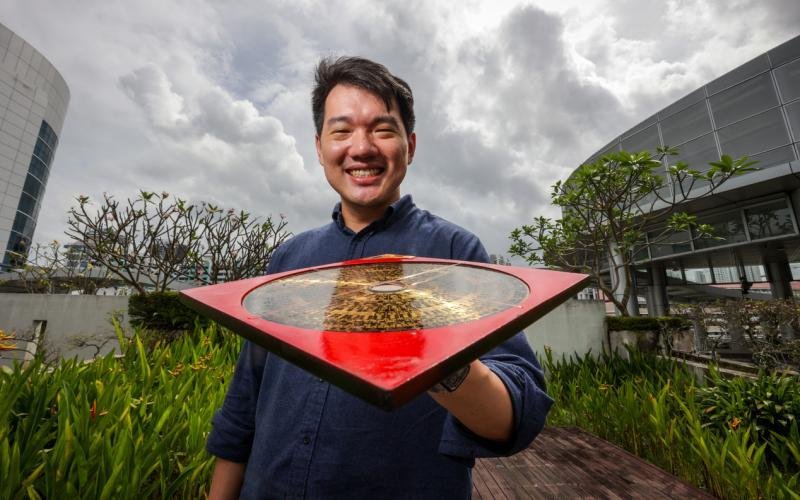

Astrologer · Chinese Metaphysics Consultant · Accidental Fortune Teller
Sean is one of Asia’s leading Chinese metaphysics practitioners — who also has a talent for landing in toxic, cash-burning start-ups led by people with unresolved daddy issues. He eventually had an epiphany: self-immolation was more fulfilling than artificially inflating company valuations at his own expense.
Fortune teller, Feng Shui master, astrologer — whatever label you prefer. He studies nature’s laws and makes sense of them. His mission: apply ancient wisdom the way ancestors intended, at a time when the field is being utterly bastardized. The industry is unregulated and he’s determined to be the voice of reform.
A few notes from people who've used the calculator and compatibility tools.
"I always thought I was born in the Year of the Snake, but the lunar calendar adjustment showed I'm actually a Dragon since I was born in early February. Wish I'd known this years ago."
"Used the compatibility checker before introducing my partner to family — the breakdown of our animal and element pairing was more detailed than I expected."
"The baby zodiac predictor was a fun way to plan around my due date. The personality write-ups feel genuinely researched, not generic."
Here's what backs the content and calculations on this site.
Content is reviewed by a working Chinese metaphysics consultant — see our About page.
Calculations reference actual Lunar New Year transition dates rather than a flat Gregorian year mapping.
Yearly predictions and lucky number content are refreshed each Lunar New Year to stay current.
Questions or corrections? Reach us directly via our Contact page.
Answers to the questions we hear most often about the Chinese zodiac.